Fresh produce at market stall

Understanding Nutrient-Dense Foods

Welcome to LondonNutriGuide, an independent educational resource dedicated to helping you understand the science of nutrient-dense foods and their role in daily energy balance. Our content is designed to provide factual, evidence-based information about nutrition and food choices.

What Nutrient Density Means in Food Science

Nutrient density refers to the concentration of vitamins, minerals, and other essential compounds relative to the caloric content of food. Foods that are considered nutrient-dense provide a high amount of nutritional value with relatively modest caloric contributions.

Understanding this concept helps explain why certain whole foods have been valued in traditional diets across cultures and why scientific research continues to support the inclusion of varied whole foods in everyday eating patterns.

Learn More


Nutrient-dense foods including vegetables and whole foods

Macronutrients and Energy Sources

Macronutrients—carbohydrates, proteins, and fats—are the primary energy sources for the human body. Each plays distinct roles in cellular function, hormone production, and sustained energy provision throughout the day.

Carbohydrates from whole grains, legumes, and vegetables provide readily available energy. Proteins support tissue repair and enzyme function. Fats are essential for hormone synthesis and nutrient absorption. A varied diet that includes all three macronutrient categories supports optimal daily functioning.

The type and source of macronutrients matter significantly. Whole foods provide macronutrients alongside beneficial fiber, phytonutrients, and micronutrients that refined sources may lack.

British foods rich in micronutrients

Micronutrients in Everyday British Foods

Micronutrients—vitamins and minerals—are required in smaller quantities than macronutrients but are equally important for health. Foods commonly available in British supermarkets provide diverse micronutrient profiles.

Leafy greens like spinach and kale contain iron and calcium. Eggs provide choline and selenium. Fish supplies omega-3 fatty acids and vitamin D. Root vegetables offer manganese and potassium. Understanding the micronutrient content of familiar foods helps inform food selection throughout the week.

Explore the Details

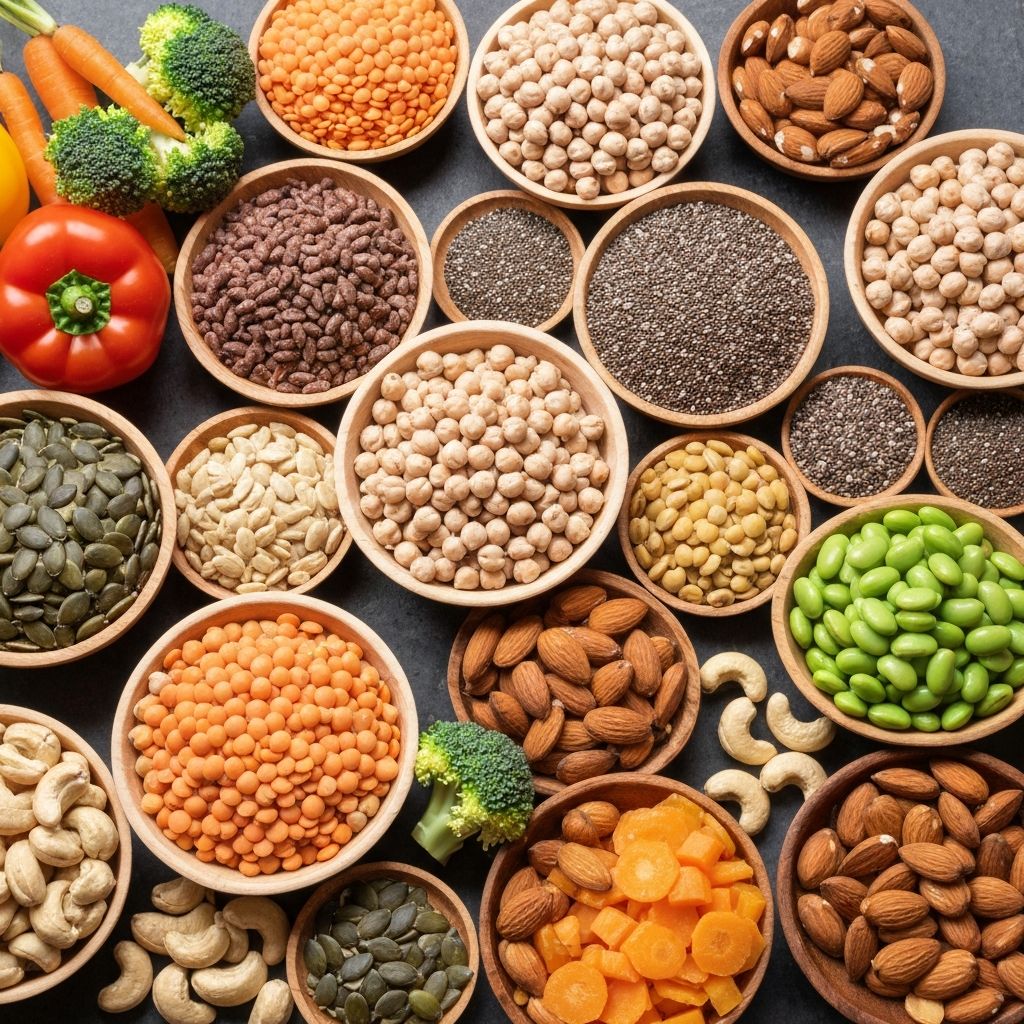
Variety in Plant-Based Eating Patterns

Plant-based foods offer remarkable diversity in nutritional composition. Different plant foods contain different combinations of phytonutrients, antioxidants, and beneficial compounds that research continues to investigate.

Legumes provide protein and fiber. Nuts and seeds offer healthy fats and micronutrients. Whole grains supply energy and B vitamins. Colorful vegetables contain distinct phytonutrient profiles. Rotating through diverse plant foods ensures a broader spectrum of nutritional intake over time.

See Scientific Background
Diverse plant-based foods and legumes
People walking in park

Physical Activity and Nutrient Utilisation

Physical activity influences how the body utilizes nutrients. Regular movement affects glucose metabolism, protein synthesis, and mineral absorption. Active individuals have distinct nutritional requirements compared to sedentary populations.

Movement patterns, intensity, and frequency all influence energy expenditure and nutrient demands. Understanding this relationship provides context for why nutritional science emphasizes both food choices and lifestyle patterns as interconnected factors in overall functioning.

Further Exploration

Explore our blog for detailed articles on specific topics:

Frequently Asked Questions

Is this site providing nutritional advice?

No. LondonNutriGuide provides educational information about food science, nutrition concepts, and evidence-based research. We do not provide personal nutritional recommendations or medical advice. All content is general in nature.

Who should I consult for personal nutrition guidance?

Registered dietitians, qualified nutritionists, and healthcare providers are the appropriate professionals to consult for personalized nutritional recommendations based on your individual circumstances, health status, and needs.

Where does your information come from?

Our content draws from published scientific literature, peer-reviewed research, and established nutritional science principles. We aim to present information in an accurate, balanced manner without commercial bias.

Can I use this information to make health decisions?

This information is provided for educational purposes only. Healthcare decisions should always be made in consultation with qualified healthcare professionals who can assess your individual circumstances and provide personalized guidance.

Learn About Our Approach

To understand more about how LondonNutriGuide operates and our commitment to providing educational content, please visit our About page.

Continue Exploring